
If you are preparing to file a trademark application with the United States Patent and Trademark Office, there is one concept you need to understand before anything else: use in commerce. Without it, no federal registration will issue-period. This guide breaks down exactly what the USPTO requires, how to prove it, and where businesses commonly go wrong.
Key Takeaways
U.S. trademark rights are grounded in actual, bona fide use in commerce. The USPTO will not issue a federal registration until use in commerce is proven, or-in limited cases-a qualifying foreign registration is submitted. A trademark must be used in commerce for protection at the federal level.
Every U.S. trademark application, whether filed on a use in commerce basis or an intent to use basis, must eventually include three things: (1) a verified statement of use, (2) two dates-a date of first use anywhere and a date of first use in commerce-and (3) at least one acceptable specimen per class of goods and or services.
Here is the practical risk most applicants underestimate: token or sham sales, pre-launch marketing efforts alone, or internal-only use can trigger refusals, cancellations, or even claims of fraud. These problems are expensive to fix after the fact, which makes early legal guidance critical.
"Commerce" generally means interstate or foreign commerce that Congress can regulate. Concrete examples include:
-
Goods: An e-commerce clothing brand shipping online orders from Massachusetts to New York.
-
Services: A Massachusetts web-design agency providing services to a California client.
-
Goods (another example): A bakery shipping cookies to customers in another state.
If you are a business owner, startup founder, or creator anywhere in the United States and need help documenting and proving proper trademark use in commerce, contact the Law Office of Lindsey M. Straus at (508) 896-8008 or contact us online for a consultation.

What "Use in Commerce" Means Under U.S. Trademark Law
Trademark use in commerce is a foundational concept under U.S. intellectual property law. Section 45 of the Lanham Act (15 U.S.C. § 1127) defines "use in commerce" as the bona fide use of a mark in the ordinary course of trade, not made merely to reserve rights in a mark. The Trademark Act defines this standard to ensure that only marks genuinely functioning in the marketplace receive federal protection.
Under federal law, the commerce must be regulable by Congress, encompassing interstate or international commerce. This includes commerce between states, commerce with a foreign country, and territorial commerce involving U.S. territories or the District of Columbia. Use in commerce includes interstate and foreign commerce-purely local activity, standing alone, will not support a federal registration.
That said, common law trademark rights can be established by using a distinctive mark in a specific geographic area. For example, a Brewster, Massachusetts café using a unique name only within its town may have local legal protection but cannot federally register that mark without interstate activity. Compare that to an e-commerce clothing brand shipping across state lines-that brand qualifies for federal registration because the goods are sold or transported in a manner that Congress can regulate.
Types of qualifying commerce include:
-
Sales or shipments of goods between two or more states
-
Offering services to clients located in different states
-
Commerce between the U.S. and a foreign country
-
Commerce lawfully regulated by Congress within U.S. territories
Actual Use vs. Intent to Use: Two Different Filing Bases
Every USPTO trademark application must be filed on at least one statutory basis. The two most common are Section 1(a) (actual use in commerce) and Section 1(b) (intent to use). Less common options include Section 44 (foreign registration or application) and Section 66(a) (Madrid Protocol extension).
Use in Commerce (Section 1(a)): The trademark owner is already using the mark in commerce on all listed goods or services as of the application filing date. The applicant must provide dates of first use plus an acceptable specimen at filing. Actual use in commerce is required before registration is granted under this basis-there is no workaround.
Intent to Use (Section 1(b)): A company can file an intent-to-use application if it plans to use the trademark soon but has not yet started. Applicants must demonstrate bona fide intent to use the mark. An intent-to-use application allows pre-use trademark registration in the sense that it secures a filing date and priority position, but the applicant must later submit a statement of use with evidence of actual use before the USPTO will issue the registration.
A critical warning: an application filed claiming use in commerce without actual use is void from the start. If your situation is borderline, counsel can help amend the filing to an intent to use basis instead of risking refusal or fraud allegations.
If you are considering a U.S. trademark application, schedule a consultation with the Law Office of Lindsey M. Straus by calling (508) 896-8008 or using the firm's secure online contact form.
"Bona Fide Use" in the Ordinary Course of Trade
Since November 16, 1989, when the Trademark Law Revision Act took effect, federal trademark law has required bona fide use in the ordinary course of trade. The old token use rules no longer apply. Use of the Mark must be genuine and in the ordinary course of trade-not through contrived activity designed to game the system.
Bona fide means genuine, good-faith commercial use consistent with how real businesses operate in a given industry. Use in commerce requires actual sales to the public, and bona fide use requires goods or services to be deliverable. A sham transaction does not qualify as bona fide use, and advertising alone does not constitute use in commerce.
Examples of adequate bona fide use include:
-
A new skincare line sold online with regular, documented sales to real customers over multiple months
-
A SaaS product with paid subscriptions from users in different states
-
A consulting firm with a handful of paying clients across state lines
-
A food brand with steady wholesale orders shipped to retailers in neighboring states
Examples of inadequate or suspicious use include:
-
A single sale to a family member followed by years of inactivity
-
A handful of free samples sent to an owner's own shell companies
-
Mockup website screenshots for services not yet actually offered
-
Selling one bottle of perfume to a relative and calling it commerce
Courts evaluate bona fide use on a case-by-case basis. In Social Technologies v. Apple (9th Cir., 2021), the court reaffirmed that use must be of a "genuine character" and reflect the "commercial use of the type common to the particular industry in question." Factors include volume of sales, continuity of use, advertising and promotion efforts, and the nature and scale of the relevant industry. Sales must be in the ordinary course of trade to count, and actual sales must occur for bona fide use to be valid.
Use in Commerce for Goods
Under the Lanham Act, for goods, a mark is in use in commerce when it is placed on the goods, containers, labels, tags, or point-of-sale displays, and the goods bearing the mark are sold or transported in commerce Congress can regulate.
Specific, modern examples include:
-
Apparel sold via a Shopify store and shipped from Massachusetts to New York
-
Branded coffee beans sold through Amazon FBA with interstate deliveries
-
Labeled candles shipped from Cape Cod to customers in multiple states
Goods must exist and be deliverable to qualify for use in commerce. Acceptable use includes:
-
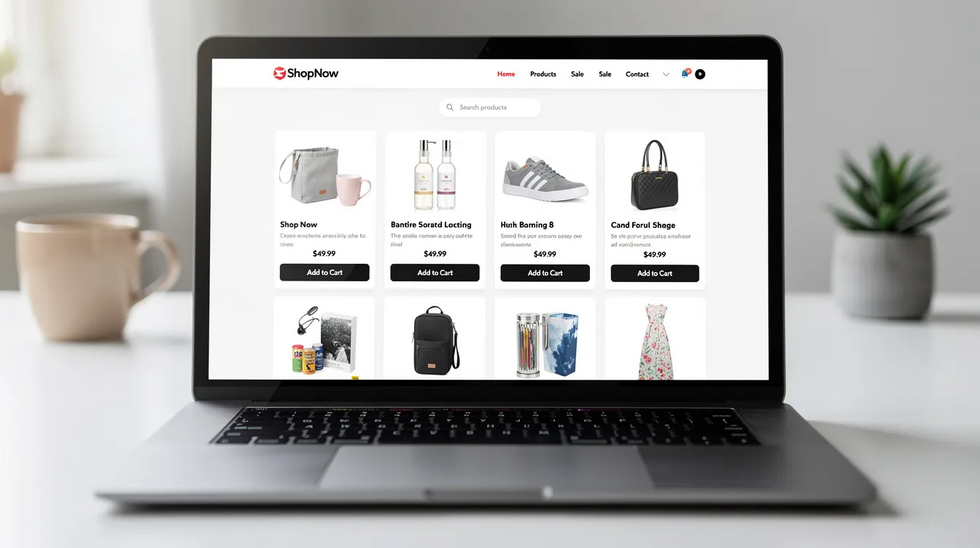
Online product listings with a clear "Add to Cart" or "Buy Now" function
-
Packaging labels bearing the mark on goods actually shipped
-
Physical in-store sales to out-of-state visitors who take goods across state lines
What does not qualify:
-
Pre-sale promotional mockups or prototypes that never leave the lab
-
"Coming soon" product pages without a way to purchase
-
A single shipment to the mark owner's own address in another state

Use in Commerce for Services
For services (including a service mark), a mark is in use in commerce when it is used or displayed in the sale or advertising of the services, and the services are actually rendered in commerce-for example, to clients in multiple states or to out-of-state customers.
Common acceptable examples for service-based businesses:
-
A consulting firm's website showing the mark next to a "Schedule a Consultation" button, offering services to potential customers in multiple states
-
A Massachusetts web designer providing services to a client in California
-
An online coaching service with paying subscribers in different states
-
Restaurant services advertised and rendered to customers traveling from out of state
For services, advertising materials-web pages, brochures, Google Ads-can serve as specimens if they show the mark, identify the services, and provide a way for consumers to obtain them.
Non-qualifying scenarios include a landing page advertising services not yet available for purchase or booking, internal training portals, or private beta programs without any actual paying customers. The Law Office of Lindsey M. Straus regularly works with agencies, consultants, SaaS providers, and professional service firms nationwide to document and prove service-mark use in commerce.
Dates of First Use: "Anywhere" vs. "In Commerce"
Every use-based U.S. trademark application must identify two dates: the date of first use anywhere and the date of first use in commerce. The USPTO requires a date of first use in commerce for registration, specified as month/day/year.
The first date of use anywhere is the earliest date the mark was used with the goods or services in any geographic area-including purely local use, or even use in a foreign country-before it crossed into interstate commerce. The date of first use in commerce is the earliest date the mark was used in commerce that Congress may lawfully regulate.
Example: A Boston bakery brand first used its mark only in Massachusetts on January 5, 2024 (date of first use anywhere). On March 1, 2024, the bakery began shipping gift boxes to Rhode Island-that is the first use in commerce date.
The date of first use in commerce can never be earlier than the date of first use anywhere. Inaccurate dates can lead to refusals, challenges, or even claims of fraud in later disputes.
Specimens of Use: Proving Trademark Use to the USPTO
A "specimen" is a real-world snapshot showing how the mark is actually used in commerce. The USPTO requires at least one specimen per class of goods or services for any use-based filing or statement of use.
Goods specimens include:
-
Product labels and tags affixed to the goods
-
Packaging showing the mark
-
A photo of the mark on the product itself
-
Online shopping cart pages displaying the mark with a way to buy the item
Service specimens include:
-
Website pages showing the mark and describing the services with a way to contact or hire
-
Digital brochures or online advertisements
-
Screenshots from platforms like Shopify or Squarespace showing the mark tied to service offerings
Mockups, Photoshop-altered images, products that were never actually sold, or internal-only documents are frequently rejected and can jeopardize a trademark application. Acceptable use requires real specimens from real commerce.
Before uploading specimens to the TEAS system, consult the Law Office of Lindsey M. Straus. Call (508) 896-8008 or contact us online for a pre-filing review of your proposed specimens.
How Much Use Is Enough? Token Use vs. Real Commerce
The Lanham Act does not set a specific dollar or unit threshold for sufficient use. The USPTO and courts look at overall context to decide whether such use is bona fide in a particular case.
Inadequate token use includes:
-
A single $1 sale to a friend followed by no other activity
-
A lone shipment of goods to the owner's own P.O. box in another state
-
Distributing free samples without concrete plans for ongoing business
-
A single sale staged only to support a trademark application
Token use is insufficient for establishing trademark rights, and token or sham sales do not establish trademark rights. Sales to friends or family are considered insufficient for trademark rights.
Legitimate early-stage use includes:
-
A startup with a modest number of online sales over a few months
-
A consulting practice with a handful of out-of-state clients demonstrating a good faith effort
-
An app with a small but paying user base
A small number of sales can qualify if there is a good faith effort and the activity reflects how businesses actually operate in that one industry. What counts as "meaningful" depends on industry norms-small volumes may be sufficient in a specialized B2B market, while minimal activity might be viewed skeptically for mass-market consumer goods. Actual sales must occur for trademark rights to exist.
Borderline cases are often better filed as intent-to-use applications. Seek case-specific advice before swearing to use in commerce in a trademark application.
Use in Commerce and Foreign Country Activity
Use in commerce can, in certain circumstances, include commerce with a foreign country-particularly where services are rendered across borders or cross-border goods shipments are directed from the U.S.
Examples include a U.S. software company licensing software from Massachusetts to clients in Canada, or a Cape Cod apparel brand selling to European customers via a U.S.-operated website. Both involve foreign commerce that Congress can regulate.
Section 44 of the Trademark Act allows some trademark applicants who already own valid registrations in a foreign country to seek U.S. registration without proving use in commerce at the time of filing. However, U.S. use is still needed to maintain and enforce trademark rights over time.
Purely overseas use with no U.S. commercial nexus usually will not establish U.S. trademark protection. Expanding brands should plan U.S. launches and document U.S.-directed sales carefully. The Law Office of Lindsey M. Straus represents U.S. and foreign businesses in securing U.S. registrations where foreign use, foreign registrations, and U.S. use interact. Learn more on the firm's federal trademark registration page.
Abandonment, Non-Use, and Maintaining Trademark Rights
Trademark rights are not "set and forget." Ongoing bona fide use in commerce is required to maintain both common-law rights and federal registrations. If a business stops using a trademark for three consecutive years, it is presumed abandoned. That legal presumption shifts the burden to the mark owner to show intent to resume use and justify the hiatus.
Federal registrants must file post-registration maintenance documents-including Section 8 Declarations of Use between the 5th and 6th years and every 10 years after that-with acceptable specimens, or risk cancellation by the trademark office.
Legitimate excuses for temporary non-use include supply-chain disruptions, regulatory delays (for example, in industries where clinical investigators test a new drug before it can be sold commercially), or a planned product rebrand. Documentation of these circumstances is essential.
Brand owners should calendar maintenance deadlines and consult counsel promptly if they anticipate pauses in use. Call (508) 896-8008 for a trademark maintenance review.
Common Mistakes on Trademark Use and How to Avoid Them
Startups and small businesses frequently make avoidable errors related to use in commerce. Here are the most common:
-
Overstating the date of first use - Claiming a later date is adjustable; claiming an earlier date than reality can be treated as fraud.
-
Using token or sham transactions - A staged actual sale to a friend is not legitimate use in the ordinary course.
-
Submitting mockup specimens - Digitally altered images or product renders that were never sold get rejected.
-
Relying only on social media - Having an Instagram handle with followers but no real sales does not establish acceptable use.
-
Filing for goods or services not yet offered - Listing "footwear" when you only sell hats and T-shirts creates inaccurate use claims and triggers an office action (an official letter from the USPTO examining attorney).
-
Ignoring that declarations are sworn statements - USPTO declarations are signed under penalty of perjury. Misstatements can be weaponized by competitors to challenge your registration at a later date.
Before filing-or before submitting a statement of use-get a pre-filing review with a trademark attorney. Visit the firm's USPTO trademark application resource or the contact page for next steps.
How the Law Office of Lindsey M. Straus Helps with Use-in-Commerce Issues
The Law Office of Lindsey M. Straus is a Brewster, Massachusetts-based firm that represents businesses, entrepreneurs, creators, and e-commerce brands nationwide in federal trademark matters, including complex use-in-commerce questions.
Specific services include evaluating whether existing activity qualifies as actual use, advising whether to file as use-based or intent-to-use, selecting and preparing specimens, drafting accurate first-use dates, and responding to USPTO office actions challenging use. Attorney Lindsey Straus has decades of experience and has obtained hundreds of federal registrations across a wide variety of fields-software, coaching, retail, creative services, and more.
If you are unsure whether your sales, pre-launch activities, crowdfunding, or beta testing qualify as use in commerce, schedule a consultation by calling (508) 896-8008 or contacting the firm online. The firm offers attorney-led, individualized attention-not assembly-line filing-and keeps overhead low to provide competitive, transparent flat fees for trademark search, filing, and maintenance work.
Step-by-Step: From First Use to Federal Registration
Here is the typical path from initial brand use to a U.S. registration certificate:
-
Adopt a distinct mark - Choose a word, phrase, logo, or slogan that functions as a source identifier for your goods or services.
-
Begin bona fide use in commerce or form a bona fide intent to use - Start making real sales across state lines, or develop concrete plans (business plans, supplier agreements, domain registrations) if you are not ready yet.
-
Conduct a comprehensive clearance search - Before filing, search existing registrations and common-law uses to reduce risk of conflicts.
-
Prepare and file a trademark application with the USPTO - Include your date of first use anywhere, first use in commerce, the required fee per class, and specimens (for use-based filings). Record-keeping is critical here: invoices, shipping records, website analytics, and marketing materials all support your claimed dates.
-
Respond to any office actions - If the examining attorney raises issues, respond within the deadline (currently three months, extendable to six).
-
For intent-to-use filings, file a statement of use with specimens - This converts your application to use-based once real commerce begins.
-
Secure and maintain the registration - File Section 8 and Section 9 declarations on schedule.
Realistic timing: initial examination commonly takes about eight months, with total registration times often ranging from 12 to 18 months depending on the application basis and any office actions.
To ensure a smooth, efficient registration process, call the Law Office of Lindsey M. Straus at (508) 896-8008 or visit the trademark registration page to learn more.

When an Intent-to-Use Application Makes More Sense
Many startups and new brands begin marketing and product development months before they are ready to make bona fide commercial transactions. An intent-to-use trademark application can effectively reserve rights while the business prepares for launch. Filing an ITU application provides an earlier priority date than waiting to file until actual use begins.
The bona fide intent requirement is real: the trademark applicant must have genuine plans and ability to use the mark in commerce, supported by business plans, prototypes, supplier agreements, or early marketing efforts-not merely a wish to block others from using a phrase.
The ITU timeline works like this: file the application, proceed through examination and publication, receive a Notice of Allowance, then meet an initial six-month deadline to file a statement of use. Up to five six-month extensions are available (up to 36 months after allowance), each requiring the required fee.
Situations where ITU is usually safer than a questionable use-based filing:
-
Crowdfunding campaigns before any deliverable products exist
-
Pre-launch SaaS products still in private beta testing
-
A fitness coach planning to expand from intrastate to interstate clients
-
Product lines announced but not yet manufactured
Brand owners unsure of whether their current use is sufficient to file on a use basis should speak with an attorney about filing on an ITU basis instead. See the firm's USPTO application guidance for more detail.
FAQ: Trademark Use in Commerce
Do pre-orders or Kickstarter campaigns count as "use in commerce" for trademark registration?
Pre-orders and crowdfunding campaigns are generally treated as pre-sale activity. By themselves, they usually do not qualify as bona fide use in commerce because the goods often do not yet exist or are not deliverable at the time of the campaign. If backers ultimately receive finished, branded products shipped across state lines, those shipments may establish use in commerce as of the first date of actual deliveries-not the launch of the campaign. Businesses relying heavily on pre-orders or crowdfunding should typically file on an intent to use basis, then convert to use-based once real shipments begin.
Is a single interstate sale enough to qualify as "use in commerce"?
While a single documented interstate sale may technically satisfy the statutory definition, the USPTO and courts increasingly look for a pattern consistent with a bona fide commercial transaction, not just one contrived shipment. Compare a single sale to a friend in another state (likely token use) with an initial small batch of online sales to multiple potential customers, coupled with ongoing marketing-the latter is far more likely to be accepted. Relying solely on one actual sale is risky. Build a modest but genuine record of commerce before filing on a use-in-commerce basis.
What if I guessed wrong about my "date of first use" in my application?
Minor corrections to dates of first use can sometimes be made by amendment, particularly if the correction moves the date forward (to a later date) and does not expand the rights claimed. Knowingly false statements about dates of first use can support allegations of fraud, especially if intended to gain an unfair priority advantage over another user. Anyone who realizes there may be an error in sworn dates should promptly consult a trademark attorney for guidance on whether and how to correct the record.
Does Amazon, Etsy, or another marketplace sale count as "use in commerce"?
Yes. Selling branded products through third-party platforms like Amazon, Etsy, or eBay can constitute legitimate use in commerce if the listing clearly displays the mark in connection with the goods and customers across state lines actually receive the products. Acceptable specimens may include screenshots of product pages showing the mark, the goods, pricing, and an "Add to Cart" button, along with evidence that real orders were fulfilled. Private or draft listings, or a store page with no completed sales, will not typically satisfy the bona fide use requirement.
What should I do if I temporarily stop using my mark?
Short, temporary pauses in use will not automatically lead to abandonment, particularly if there is a clear intent to resume use and objective reasons for the hiatus-such as rebranding, supply issues, or a temporary closure. Maintain records documenting the reasons for the pause and concrete steps taken to resume use (new supplier contracts, updated packaging, website redesigns). These records help rebut abandonment claims at a later date. Consult counsel if non-use approaches or exceeds three years, or if a USPTO maintenance deadline (such as a Section 8 Declaration) is coming up while the mark is not in active use.
If your situation does not fit neatly into any of these answers-or if you have a more detailed or unusual fact pattern-reach out to the Law Office of Lindsey M. Straus at (508) 896-8008 or through the firm's online contact form for individualized advice tailored to your business.


Comments
There are no comments for this post. Be the first and Add your Comment below.
Leave a Comment